Move here.
Create here.
Belong here.
Replacing the stress of moving with community.
Plan a move, trade useful things, find local pros, and build a business in one welcoming place. Start with the Humboldt exchange preview; help shape the planned Oakland moving village.
 HMSAPP ROADMAP
Explore a working Stage One preview and planned later services below.
Come in where you are.
Bring a move, a trade, a site, a class, a cultural program, or a funding conversation. Choose a path below. The Humboldt exchange preview is ready to try; the full moving village is in development.
Choose what brings you here.
Try the first exchange module and explore how the later moving village will work. Planned services are shown as a product preview; they cannot be booked or purchased yet.
Plan the whole move.
Start with the practical pieces. Select what you need and use this list to organize your next steps. HMS is not booking providers yet.
Your selections stay on this page. Make a free move or operator plan Sample exchange listings and private practice drafts are available in the Stage One app; no shared marketplace, bookings, payments, or credits are active.
A place for the whole transition.
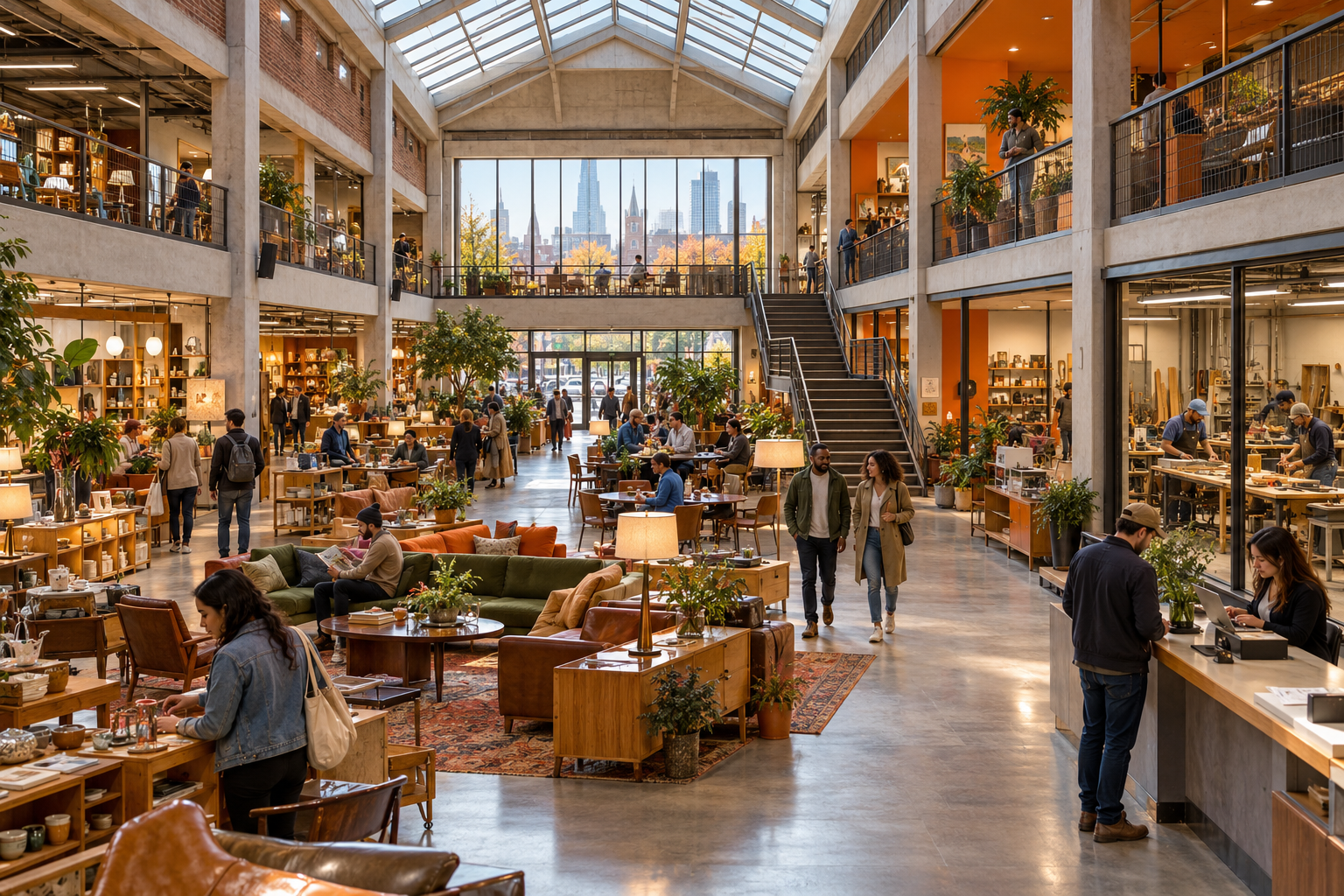
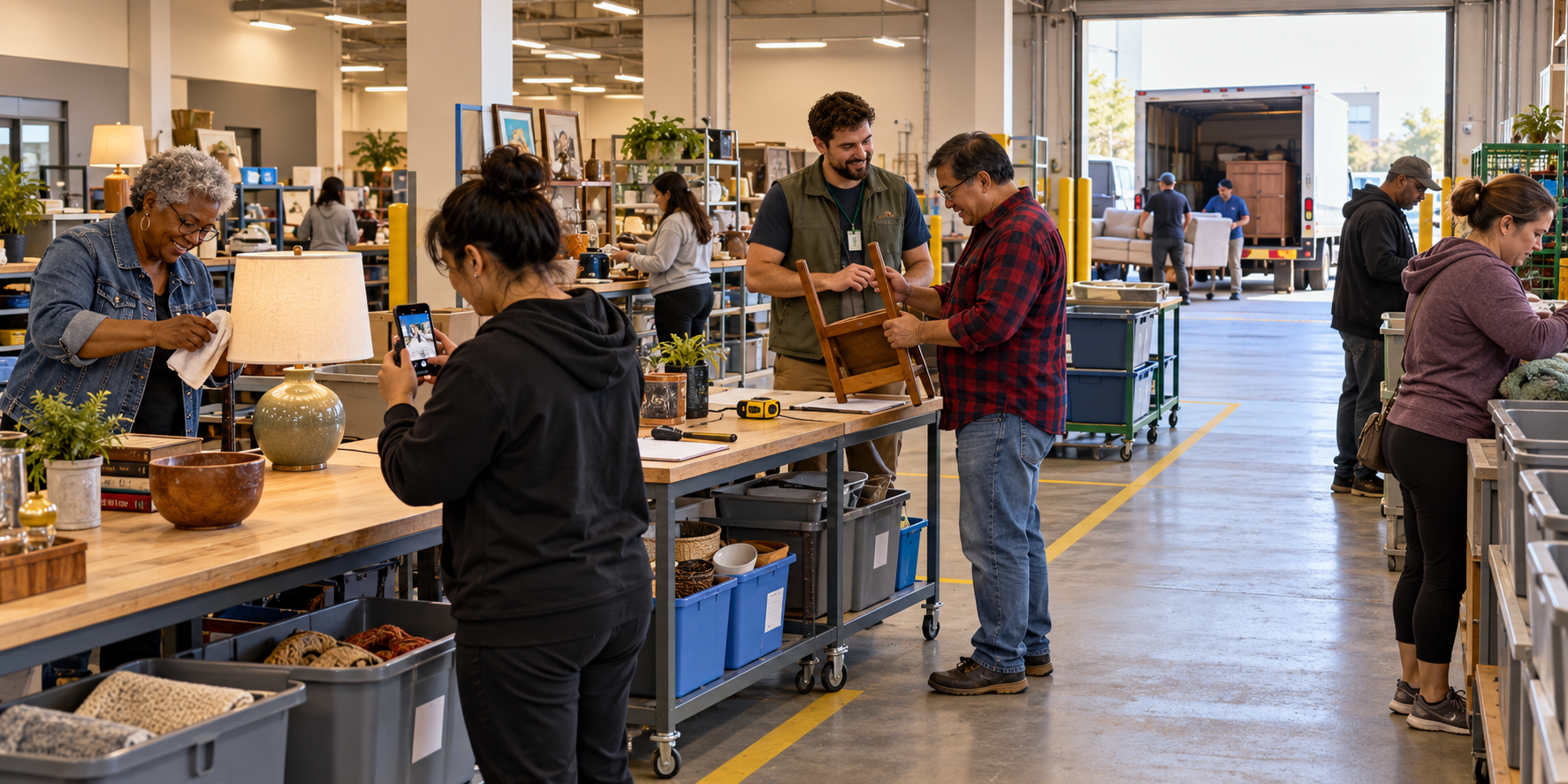
Bring the things you are moving. Prepare, photograph, and sort what you no longer need at shared intake stations. Nearby, independent tradespeople repair and remake, merchants give useful goods a new life, and neighbors meet in a welcoming concourse. This is the planned physical experience, beginning with an Oakland site search.
Many kinds of work. One useful village.
Moving creates demand. The village makes room for the people who meet it, improve the place, and teach others. Choose a path now; specific services and partnerships will be developed with participants.
Households & employers
Tell us what would make a move easier: transport, storage, housing, setup, and what to do with useful things.
Describe your move02 / DELIVER ITMovers, trades & merchants
Moving crews, storage providers, brokers, stylists, carpenters, painters, plumbers, upholsterers, and sellers can shape a coordinated service journey.
Bring your service03 / CARE FOR PLACEEcology & resilience
Botanists, foresters, arborists, fire professionals, landscape designers, and materials specialists can guide safe adaptive reuse, urban planting, and recovery practices.
Share your expertise04 / MAKE IT HUMANArtists, teachers & learners
Artists and makers bring beauty and gathering. Teachers, students, and volunteers help turn repair, trade skills, and the app pilot into shared learning.
Propose a program05 / MAKE IT POSSIBLEMunicipalities & leaders
Public agencies, neighborhood leaders, nonprofits, and property partners can frame a site, a volunteer pilot, a material flow, or a public benefit worth testing.
Start a civic conversation06 / BUILD CAPACITYFounders, funders & investors
Business founders can explore operating roles; funders and investors can register interest in a defined project as costs, agreements, and terms are developed.
Discuss a roleThese are invitations to shape the project, not open jobs, investment offerings, bookings, or active facilities. Make a more detailed HMS plan
Humboldt exchange. Ask, give, trade.
Begin with neighbors in Eureka, Arcata, and nearby Humboldt communities. Ask for a useful item or a hand without having to offer something first. Give freely, agree on a direct trade, or volunteer with a participating organization. Each route has clear terms, and no money is required.
Goods & materials
Ask for furniture or household essentials without having to offer a trade, or gift tools, reusable building materials, and useful surplus. A live listing would show condition, general area, and pickup needs.
Explore this pathSHARE OR TRADESkills & time
Offer a skill freely or trade repairs, sewing, garden work, moving help, tutoring, and other lawful services. Agree on scope and terms before the work begins.
Explore this pathEARNVolunteer credits
A future pilot could let participating organizations post approved opportunities. Hosts would verify completed hours before eligible credits appear under published rules.
Explore this pathA neighbor asks for a table. Another offers one as a gift. Two others agree to trade mending for garden help. A community organization could later host a verified volunteer shift under published pilot rules. A gift needs no return; a trade needs a clear agreement.
This is the app design, not an open exchange today. Credits are participation records for the pilot; they are not cash, wages, transferable tokens, or a promise of redemption. HMS will define eligibility, safety checks, disputes, and host agreements before live transactions. Register barter interest
One place to find, offer, and learn.
The Humboldt exchange is the first app module. It should be simple enough for one person with an extra chair or an afternoon of time, while giving community partners a reliable way to verify volunteer activity.
Create an offer or request
Choose a request, gift, trade, or volunteer interest. Add a general area and enough detail to be useful; a gift has no return obligation.
Continue here02Match and agree
Search by category and Humboldt location; message within the app; confirm what each party will give, when, and where.
Continue here03Complete and confirm
Both sides acknowledge the exchange. An approved host verifies volunteer hours before any credit is recorded.
Continue here04Learn and improve
Practical guides cover clear asks, fair trades, gifts, reuse, moving preparation, safe meetups, and repair. EcoNomad’s Substack supplies deeper reporting and ideas.
Continue hereA move powers an urban village of services.
Moving is the recurring economy: households and employers need trucks, movers, storage, local real estate brokers for leasing or buying, interior stylists, Airbnb-style short-term stays between homes, and help making the next place livable. That demand creates work for independent carpenters, upholsterers, painters, plumbers, stylists, brokers, and other operators. Reuse grows naturally from the goods and materials a move leaves behind.
Transitions
Bring local and larger moving companies, trucks, storage, property services, and temporary stays into a coordinated customer journey.
Explore this role REUSEMaterial value
When people move, useful possessions and building materials enter the community intake. Their next use is a byproduct of the moving and trades economy.
Explore this role MAKELocal enterprise
Connect the gig ecosystem—housing trades, stylists, brokers, movers, and small service firms—to customers, shared equipment, an incubator, and business services that a solo operator could not easily build alone.
Explore this role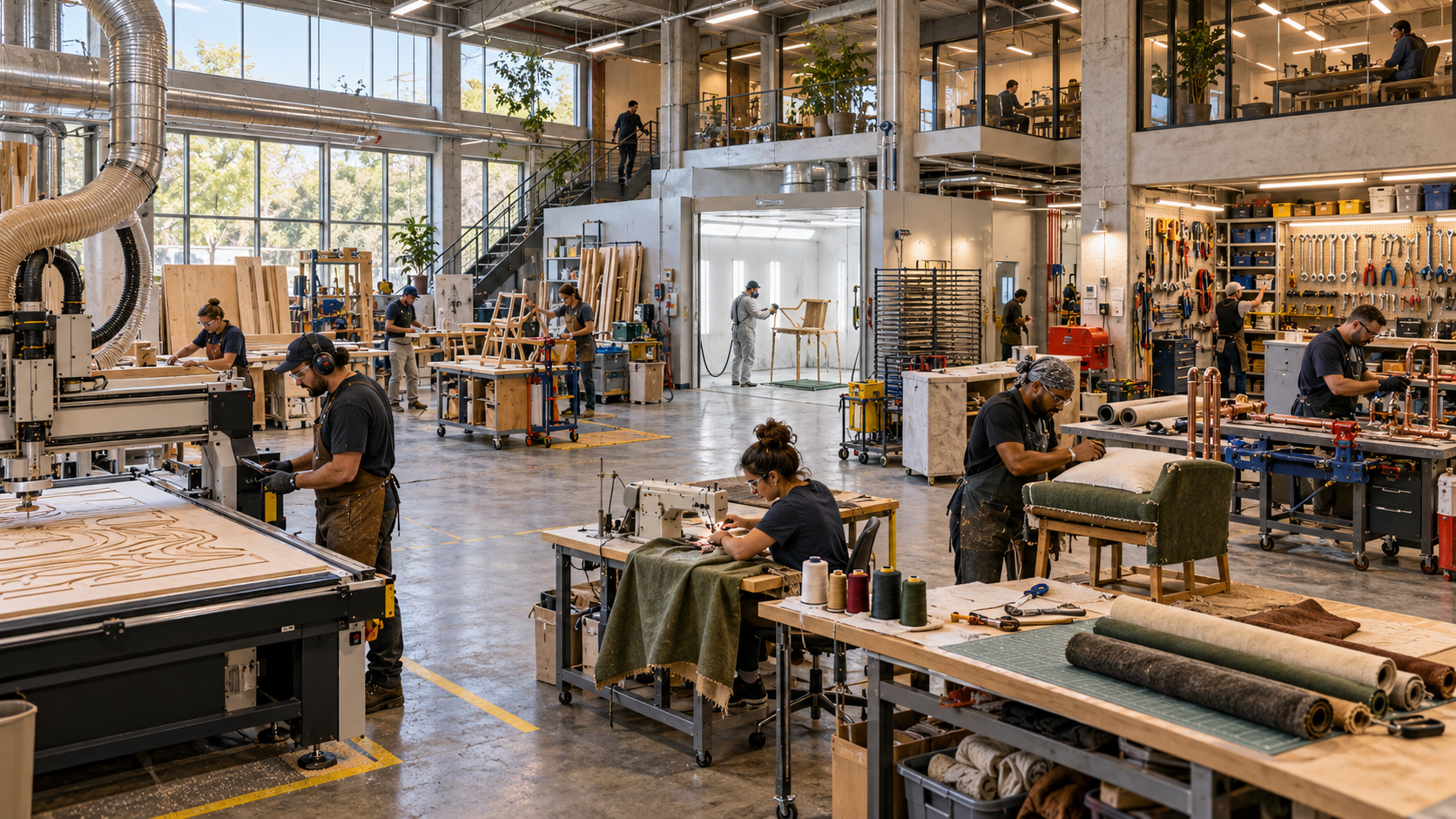
Moving creates work. Shared tools build capacity.
HMS is an urban village with a working economy. Moving brings customers; independent movers, brokers, stylists, trades, and other providers do the work; shared facilities lower the cost of building a business. Reuse is one result of the movement of goods and materials.
Plan a move; bring goods and materials to the community intake area, where contributors prepare their own items and choose the offered credit or donation pathway.
Carpenters, upholsterers, painters, plumbers, and other trades use shared workshops and a substantial reengineering laboratory with equipment too costly for many firms to own alone.
Retail, laundry with washers and dryers, food, gathering space, business services, and possible short stays make the village useful through the entire transition.
This is the operating concept. Services, locations, and partner agreements are not yet announced.
Keep useful things in motion.
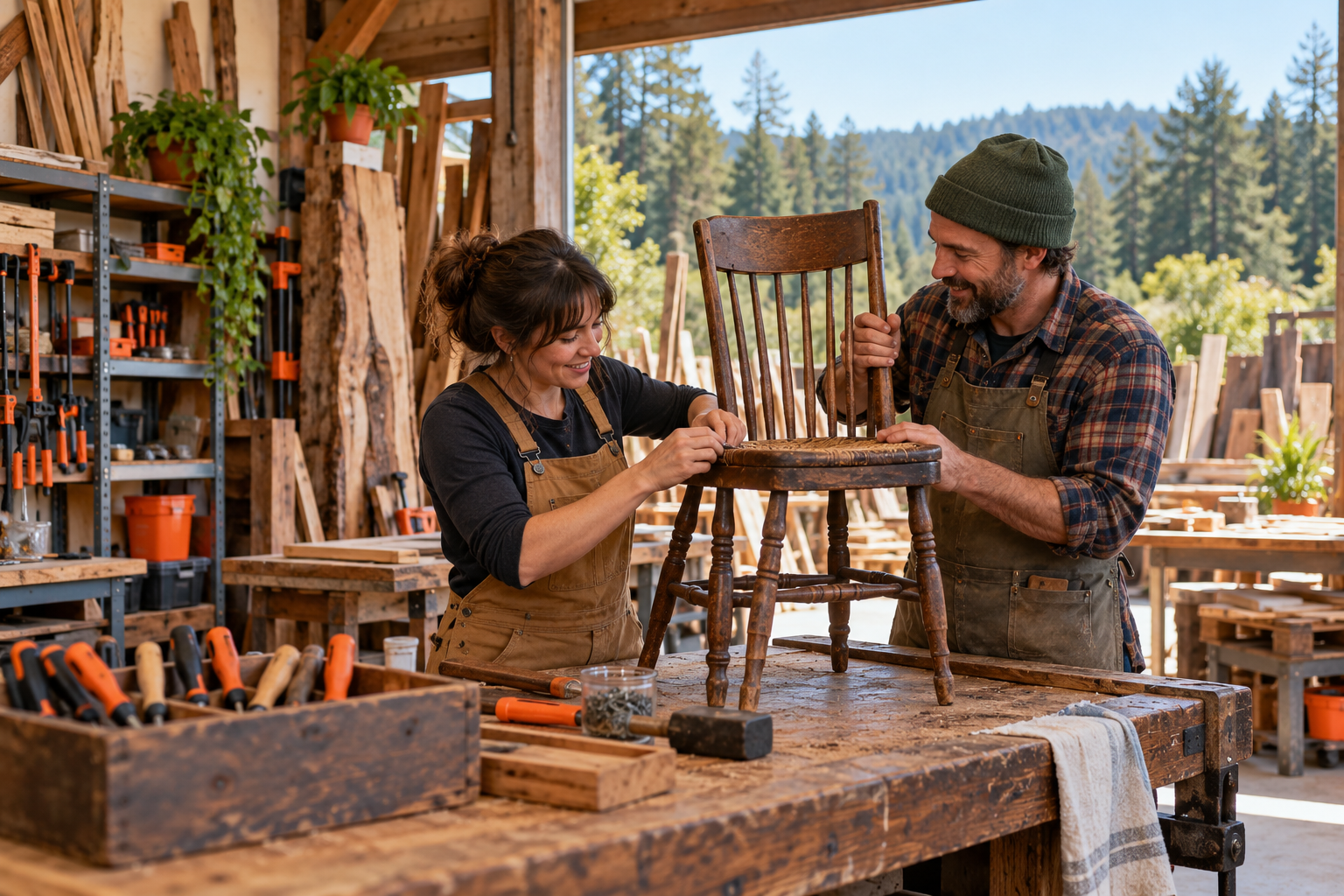
A chair repaired, a skill shared, and material diverted from waste become the foundation for HMS’s later maker and reuse operations.
Concept image · proposed programExplore a trade roleFrom a barter app to an urban moving village.
The app is the digital doorway. The later HMS is an urban village in a large adapted building—perhaps a former mall, hospital, or school. Moving and a gig ecosystem of housing, property, and trade services are its economic core. A warm public concourse, workspaces, shared equipment, daily services, short stays for moving households, and possible live/work rooms for operators make it a place to build a business and a life. Reuse follows from the movement of things.
Humboldt barter & volunteering
Money-free goods and skill listings, partner-hosted volunteer opportunities, verified credits, practical guides, and links to EcoNomad’s publication.
Explore this stage02 · RELOCATIONPlan the whole move
A relocation desk brings personal and employer moves into one journey: local and larger moving companies, trucks, packing, storage, brokers for leasing or purchasing, interior stylists, short-term rentals, and goods needed on arrival. Displaced possessions can be assessed for trade, consignment, repair, sale, or donation. Independent providers deliver contracted services.
Explore this stage03 · COMMERCEReuse & independent sellers
The village includes a polished, affordable reuse store alongside specialty merchants and independent online sellers. Goods from homes, offices, and renovations may be purchased, consigned, repaired, remade, or sold for their owners. Paid sales have clear terms and remain distinct from the money-free barter area.
Explore this stage04 · PHYSICAL HUBSMake, learn, gather
An adapted urban mall, hospital, or school can hold a warm public concourse with moving services, merchants, curated reuse, and a café-like third place. Working zones hold self-sort intake, storage, trades workshops, an incubator, and a large shared-equipment lab. Washers, dryers, short-term rentals for households, and possible live/work rooms for operators make the place useful beyond a transaction. Smaller hybrid subcenters can combine selected urban HMS services with rural Village Center learning, culture, and place-based functions according to local demand.
Explore this stage05 · REGIONAL SYSTEMVillage Center connection
The urban HMS network can supply recovered materials, trained trades, and tested construction ideas to EcoNomad Village Centers. Full Village Centers are distinct place-based destinations for education, culture, hospitality, research, and pilot villages. Between the full models, smaller hybrid subcenters may combine moving, trades, reuse, learning, and cultural functions in urban or rural settings. Each site needs its own operators and agreements.
Explore this stageBring the move here. Leave with a plan for what comes next.
At a future urban HMS, a person or employer could start with the practical move and stay for the possibilities it creates. The mall brings many independent providers together under one roof; HMS coordinates the journey and makes each provider’s role clear.
Compare movers and trucks, packing help, local brokers for leasing or buying, interior stylists, storage, and Airbnb-style short-term stays while between homes.
Plan this step02 / MoveArrange pickup, transport, storage, and delivery; bring usable furniture and materials to a separate community intake area, clean and categorize them at shared stations, and choose an accepted credit or donation route.
Plan this step03 / SettleShop a beautiful, curated reuse floor for furniture and home goods, alongside independent merchants, laundry facilities with washers and dryers, and a café-like gathering space.
Explore this path04 / BuildTradespeople can take moving and housing jobs, use expensive shared equipment in a large reengineering lab, and grow through an incubator. Short-term rentals could serve moving households, while separate live/work accommodations could support trade operators building their businesses where the site and agreements permit.
Explore this pathThese are proposed future services and spaces. HMS does not currently book moves, housing, trucks, storage, or live/work space.
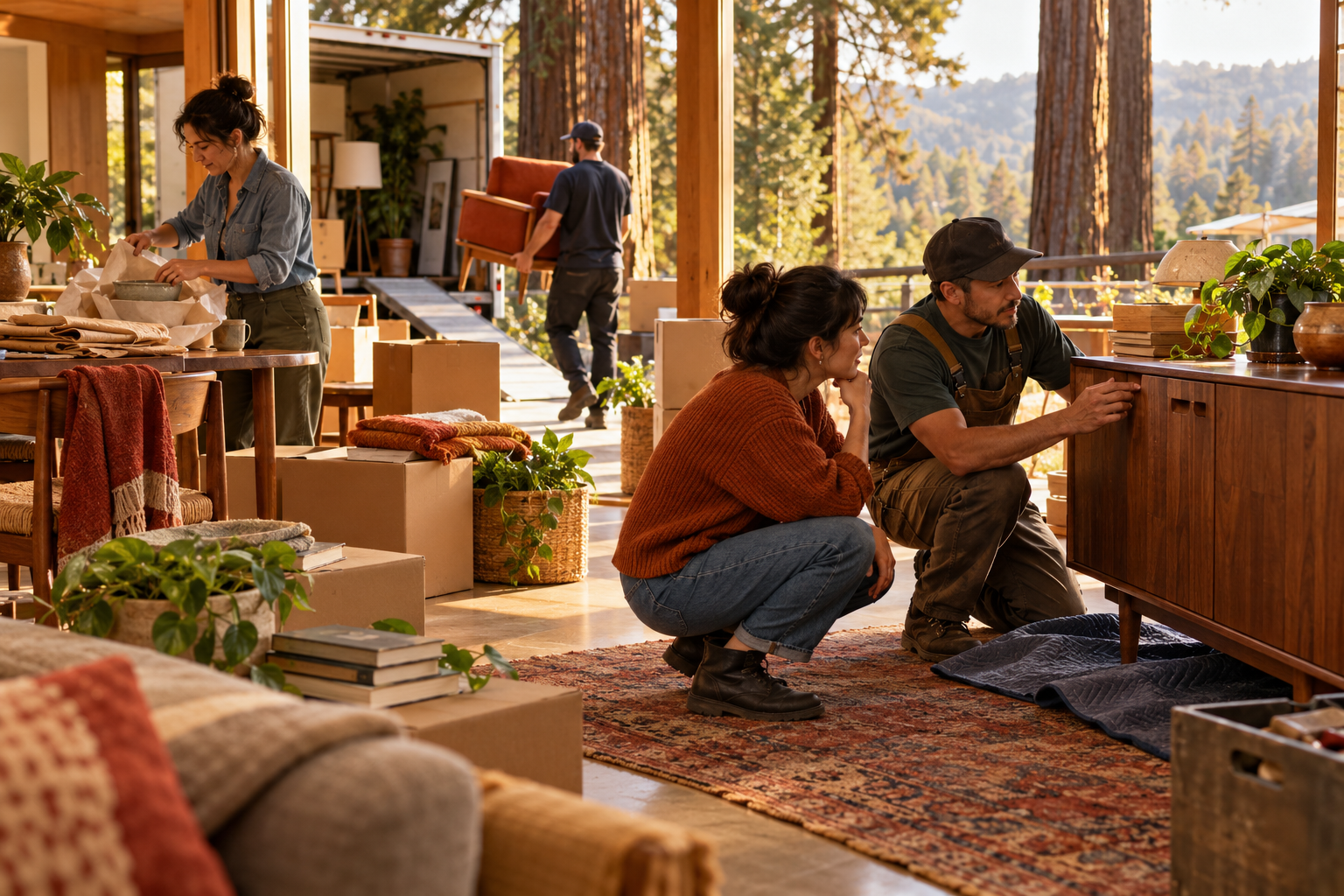
Prepare your things. Choose their next use.
This is the working intake design for the future urban HMS, separate from the retail concourse. Contributors do the initial cleaning, photographs, and category work at shared stations; HMS checks condition and acceptance before a route is finalized.
Contribute for credit
Eligible accepted items may earn HMS credits under published category and condition rules. The credit amount and permitted uses must be shown and agreed before transfer. This is a proposed later system, separate from the Stage One volunteer-credit pilot.
Register intake interest02 / DonateGive without credit
Contributors may choose donation for accepted goods. Drop-off may be free, or a handling fee may apply for items needing extra work, transport, or disposal. The decision and any fee must be clear before acceptance.
Register intake interest03 / Another routeConsign, sell, or recover
Items with a different value or handling need can be assessed for purchase, consignment, repair, merchant sale, or a separately priced recovery service. The owner chooses among the offered terms.
Register intake interestNo HMS intake, credits, fees, or donation service is active today; terms and eligible categories will be established before launch.
An urban village with a public face and a working core.
These images show the intended organization of an urban HMS, not a built location. The public concourse and working zones connect to one moving economy, with daily life and business formation woven through it.
Illustrative concept imagery. No HMS physical location or operator agreement is represented as open.
Pick the doorway that fits you.
Humboldt starts the app. Oakland anchors the physical HMS.
The money-free exchange is a Humboldt County digital pilot. The first full HMS urban village is planned for Oakland, where moving demand, independent trades, and large adaptive-reuse buildings can meet. Future HMS sites would sit in or near major metropolitan areas. The East Coast choice remains open between the Washington, DC region and the Philadelphia region; a Texas metro location is also undecided. No physical HMS site is represented as open or acquired.
Oakland
The planned urban village for the complete moving, trades, shared equipment, stays, and daily-services model. Property selection remains future work.
Bring an Oakland opportunityEast Coast / undecidedDC or Philadelphia region
A later full HMS site near a large metropolitan market. The region and property have not been selected.
Discuss a future regionTexas / undecidedMetro location to choose
A potential Texas HMS urban village, subject to market and site work.
Discuss a Texas opportunityUrban + ruralHybrid subcenters
Smaller interfaces can combine moving and trades services with learning, culture, and other Village Center functions appropriate to their place.
Explore a hybrid hubGood moves and exchanges start with good information.
Use the exchange guides now for clear requests, honest gifts, agreed trades, safer handoffs, and future volunteer service. Moving plans and operator briefs are available here too. EcoNomad adds deeper reporting; video and podcast material will be linked when published.
Plan the handoff
Inventory what stays, what moves, what goes into storage, and what can be traded, repaired, consigned, or donated. Compare written scope and pickup terms with providers.
Make a move plan02 / EXCHANGEAsk, give, and trade well
Make clear requests without a trade requirement. Describe gifts honestly and agree on both sides of a trade before anyone travels or works.
Read the practical guides03 / ENTERPRISEBuild a trade practice
Document a repair, price labor and materials, test demand, and use shared workshop or merchant space only when terms and supervision fit the work.
Frame an operator briefFour practical checks before you commit.
01 / MOVEMake one clear inventory.Keep · store · repair · share
Walk room by room and sort each item by its next destination. Record sizes, fragile pieces, stairs, access limits, and the date you need each part of the move.
- Photograph condition and count boxes before handoff.
- Confirm who packs, carries, transports, and unloads each item.
- Get scope, timing, fees, and changes in writing from any future provider.
02 / INTAKEKnow the route for each item.Condition · acceptance · terms
For the proposed HMS intake, contributors would clean and categorize their own items first. HMS would then assess whether an item is accepted for credit, donation, consignment, repair, or another disclosed route.
- Describe condition and missing parts honestly.
- Ask what is accepted before bringing items to any future site.
- Review credit rules, ownership transfer, and any handling fee before agreeing.
03 / SERVICEDefine the work before hiring.Scope · responsibility · changes
For moving, repairs, styling, or housing help, compare written scope, timing, materials, access needs, and who handles a change or dispute. Check relevant qualifications and insurance directly with a provider where the work calls for them.
- Agree on what completion means.
- Keep receipts and important terms in one place.
- Do not treat an HMS preview card as a booking or provider endorsement.
04 / COMMUNITYUse the exchange respectfully.Ask · give · trade · follow through
A neighbor may ask without offering a return. A gift carries no obligation. A trade needs terms both people accept. Keep exact contact details private and confirm a handoff before anyone travels.
Read all exchange guidesMaterial work connects to public knowledge.
EcoNomad publishes civic reporting, agritourism stories, and practical guides. Graphared develops the research and automation engine, including the systems that can eventually help HMS match needs and partners. HMS is the public-facing exchange, reuse, and relocation operation. The app links readers to EcoNomad and routes future institutional or business work to Graphared.